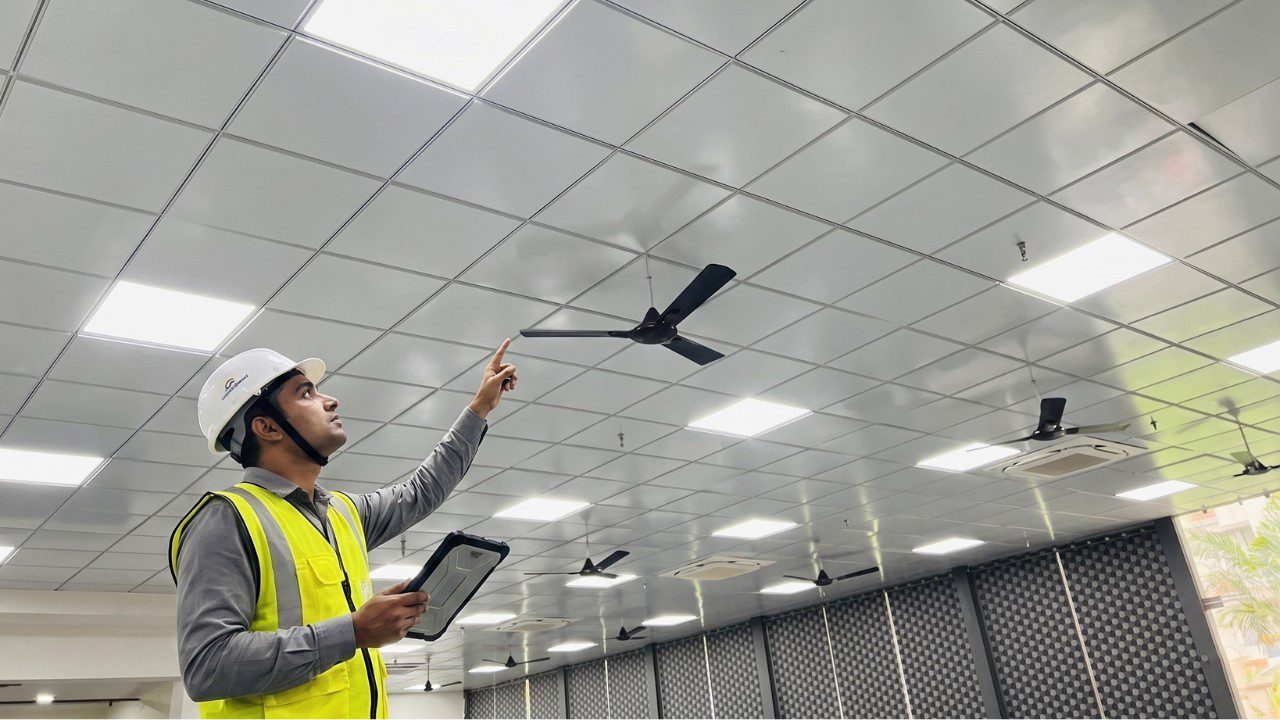
Walk into any newly built corporate office, airport terminal, or upscale hotel lobby today, and there’s a good chance you’ll be standing beneath a metal ceiling. What was once considered a niche choice reserved for industrial spaces has quietly become one of the most sought-after ceiling solutions in contemporary architecture. Architects across India and beyond are making the shift — and for very good reason.
So, what’s driving this change? And why are design professionals increasingly specifying metal ceiling tiles over conventional options like gypsum or plaster? Let’s take a closer look.
The Shortcomings of Traditional Ceiling Materials
For decades, gypsum boards and plaster of paris dominated the Indian ceiling market. They were affordable, familiar, and easy to work with — or so it seemed. Over time, however, the drawbacks became harder to ignore.
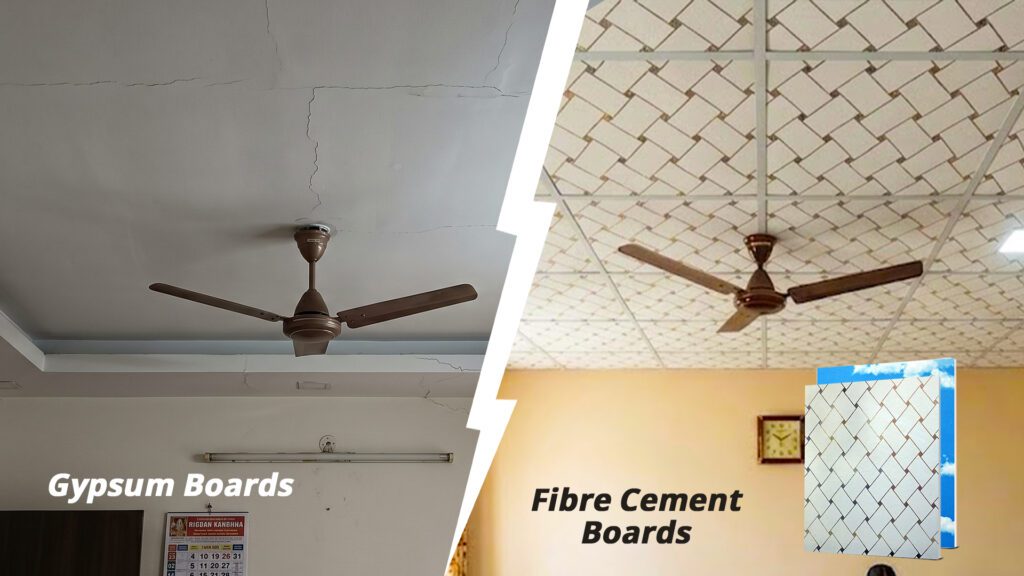
Gypsum ceilings are notoriously vulnerable to moisture. In India’s humid and monsoon-prone climate, they tend to sag, develop stains, and eventually crumble. They’re difficult to clean, nearly impossible to repair without visible patchwork, and offer little in the way of acoustic or thermal performance.
For architects working on high-footfall commercial spaces — airports, hospitals, malls, corporate campuses — these limitations are simply unacceptable. The demand for materials that are durable, low-maintenance, and visually sophisticated has created the perfect environment for metal ceilings to step in.
What Makes Metal Ceilings the Modern Architect’s Choice?
1. Aesthetic Versatility that Matches Contemporary Design
Modern architecture is defined by clean lines, open spaces, and materials that age gracefully. Metal ceilings align perfectly with this vision. Available in a range of finishes — from matte neutrals to bold custom colours — they complement everything from minimalist contemporary Indian interiors to high-tech commercial spaces.
Unlike plaster or gypsum, metal tiles maintain their appearance over years of use. They don’t yellow, crack, or warp. The result is a ceiling that looks as good on day one as it does years down the line.
2. Durability that Outlasts the Competition
Metal ceiling tiles — particularly those made from CRCA steel or aluminium — offer exceptional structural integrity. They resist dents, corrosion, and everyday wear without requiring constant upkeep. In high-traffic environments such as transport hubs, hospitals, and commercial offices, this longevity translates directly into lower lifecycle costs for building owners.
This is a key consideration for architects, who are increasingly expected to consider long-term operating costs in their designs, not just upfront installation budgets.
3. Fire Resistance and Safety Compliance
Building safety codes in India are becoming increasingly stringent, especially for public and commercial buildings. Metal ceilings are inherently fire-resistant, which makes them a smart specification for architects who must meet safety compliance standards without compromising on design.
Unlike organic materials such as wood or certain composites, metal does not support combustion. In the event of a fire, a metal ceiling system helps slow the spread and gives occupants more time to evacuate safely.
4. Moisture and Humidity Resistance
India’s climate is challenging for building materials. Coastal cities like Chennai and Kolkata, as well as the entire Northeast region, experience high humidity and heavy rainfall for much of the year. For architects designing in these environments, choosing a ceiling material that stands up to moisture is non-negotiable.
Metal ceilings hold up exceptionally well in humid conditions. They don’t absorb water, don’t develop mould, and don’t lose their structural form over time. This makes them ideal not just for air-conditioned commercial interiors, but also for spaces where condensation is a recurring issue.
5. Acoustic Performance through Smart Perforations
One of the less obvious but highly practical advantages of metal ceilings is their acoustic potential. Perforated metal tiles — designed with precisely sized and spaced holes — allow sound to pass through and be absorbed by acoustic insulation placed in the plenum space above.
For architects designing open-plan offices, conference rooms, healthcare facilities, or any space where noise management matters, this is a significant functional advantage. The result is a ceiling that doesn’t just look good but actively contributes to occupant comfort and productivity.
6. Easy Access to Plenum Space
Modern buildings are full of systems — electrical wiring, HVAC ducts, plumbing, data cables — all running through the ceiling plenum. One of the biggest practical advantages of a modular metal ceiling system is that individual tiles can be lifted out quickly and easily, providing access for maintenance and upgrades without damaging the ceiling.
In contrast, gypsum or plaster ceilings often require cutting and patching for any access, adding cost and disruption to routine maintenance operations.
Jumbo Metal Ceiling Tiles: Built for the Demands of Modern Architecture
Among the options available to architects and interior designers in Eastern India, Jumbo Metal Ceiling Tiles have emerged as a trusted, high-performance solution. Manufactured by Jumbo Boards — Eastern India’s No. 1 Ceiling Board Manufacturer — these tiles are engineered to meet the exacting standards of contemporary commercial and institutional projects.
Jumbo Metal Ceiling Tiles are made from CRCA steel and aluminium, finished with a washable polyester powder coating that delivers a long-lasting, clean aesthetic look. They are available in standard sizes of 2×2 and 2×4 feet, with base metal thicknesses of 0.40 mm and 0.50 mm — giving specifiers the flexibility to match tile weight and performance to project requirements.
The product range includes three pattern options:
- Plain — for a seamless, uninterrupted visual
- Standard Perforated — 2.5 mm diameter holes with 16% open area in square pitch, ideal for acoustic performance
- Micro Perforated — 1.8 mm diameter holes with 20% open area in diagonal pitch, offering a refined aesthetic with superior sound management
Beyond the technical specs, Jumbo Metal Ceiling Tiles are available across a wide colour spectrum, with custom colours available on request (subject to minimum order quantities). This gives architects the creative freedom to align ceiling design with broader interior concepts.
Application areas where Jumbo Metal Ceilings are already making an impact include corporate offices, healthcare facilities, hospitality spaces, and transport hubs — environments where both performance and presentation are critical.
The Sustainability Angle: Metal as a Green Choice
Sustainability is no longer a checkbox in architecture — it’s a design imperative. Metal ceilings contribute positively to a building’s environmental credentials in several ways. First, metal is highly recyclable — at the end of a product’s life, the material can be recovered and reprocessed rather than sent to landfill. Second, the longevity of metal means fewer replacements and less material consumption over a building’s lifecycle.
Jumbo Boards itself is committed to sustainable manufacturing, operating a 1.4 MW captive solar power plant — the largest rooftop solar setup in an industrial unit by a local MSE in private sector in Northeast India — alongside zero water discharge processes and active recycling of production waste. Specifying Jumbo products means supporting a supply chain that takes environmental responsibility seriously.
When Should Architects Specify Metal Ceilings?
While metal ceilings are a strong choice across a wide range of project types, they are particularly well suited for:
- Corporate offices and co-working spaces — where acoustic comfort and a clean, professional aesthetic are both priorities
- Healthcare facilities — where hygiene, durability, and fire safety are non-negotiable
- Hospitality projects — where design differentiation and long-term appearance matter
- Transport hubs and airports — where high footfall, low maintenance, and safety compliance are essential
- Educational institutions — where acoustics and durability support better learning environments
The Bottom Line
Architecture is ultimately about making smart decisions — decisions that balance beauty, function, safety, and long-term value. The shift to metal ceilings reflects exactly this kind of thinking. As Indian architecture continues to mature and as building standards rise, the demand for materials that genuinely perform over the lifetime of a project will only grow.
If you’re an architect, interior designer, or builder working on a commercial or institutional project in Eastern India, it’s worth exploring what Jumbo Metal Ceiling Tiles can bring to your next specification. Sleek, durable, fire-resistant, and available in a wide range of colours and patterns — they represent the kind of ceiling solution that modern projects deserve.
Learn more about Jumbo Metal Ceiling Tiles at jumboboards.com/premium-metal-ceiling-tiles or get in touch with the Jumbo team to discuss your project requirements.
Jumbo Boards is Eastern India’s No. 1 Fibre Cement Board Manufacturer, headquartered in Guwahati, Assam. With a comprehensive range of ceiling, roofing, wall partition, and flooring products, Jumbo supports architects, builders, and homeowners across Eastern and Northeast India.